Confession – I’m Bad at Adventure Games…

…And I kind of don’t even like them!

Or at least, there’s a part of them I love and a part of them I’m really bad at and gets in the way sometimes.

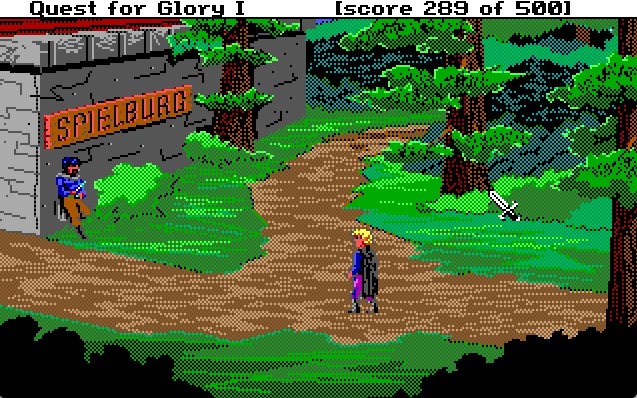
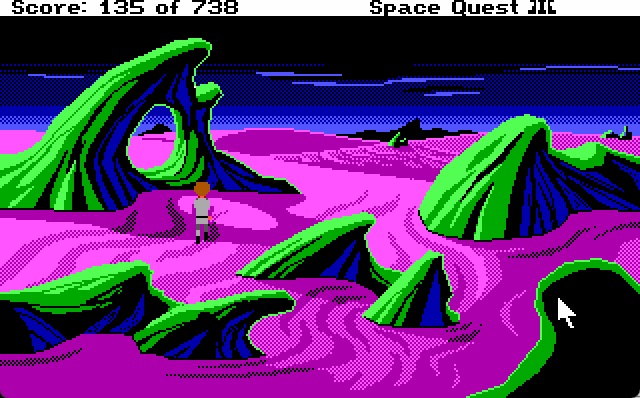
The part I love is the exploration. Adventure games do exploration really well. Whether it’s the immediately open world of Quest for Glory 1 or the more confined but very interesting places you find in Space Quest 3, I really like milling about and interacting with things.
The part I don’t like? Mostly, the puzzles, honestly. I’m very bad at adventure games and I get stuck ALL THE TIME. I was recently playing Thimbleweed Park and I have to say I really had fun with the first two chapters. I loved exploring Thimbleweed and talking to the locals and the mystery. It had magic to it. I even got stuck on a few puzzles, but it wasn’t too bad. In fact, I loved the game and was excited for the next chapter.
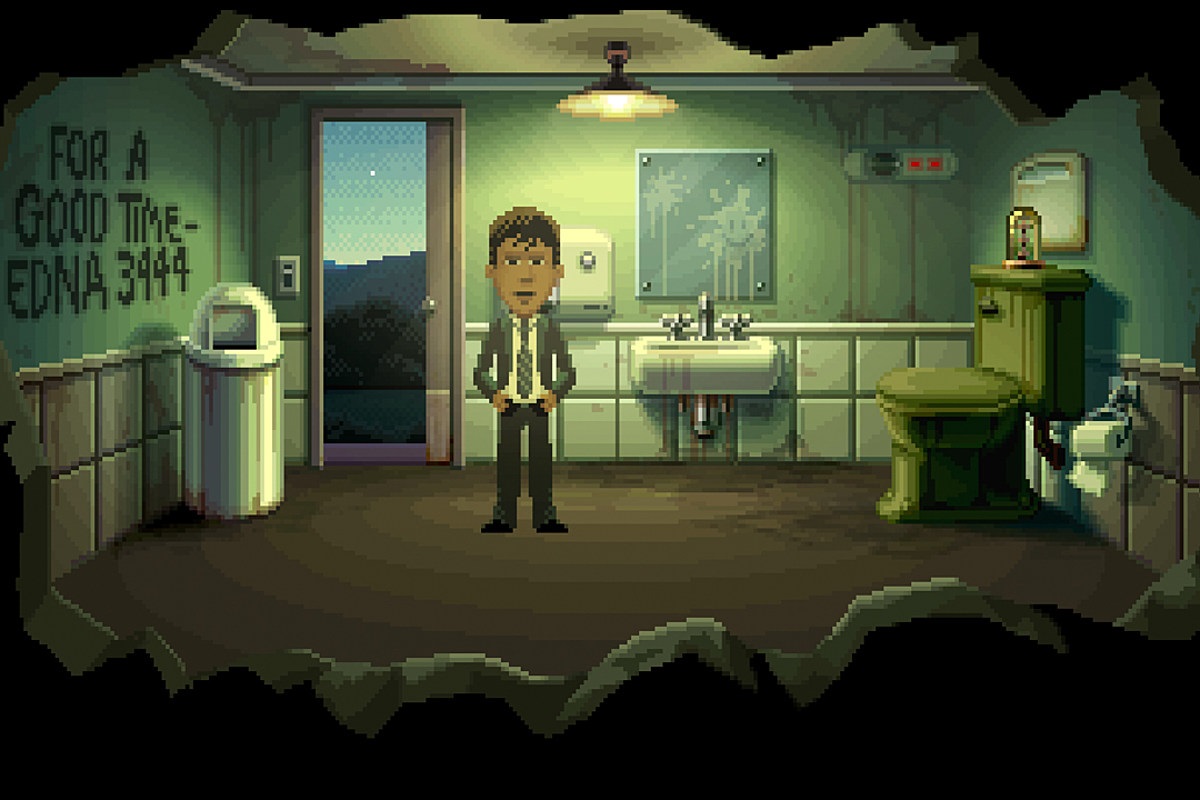
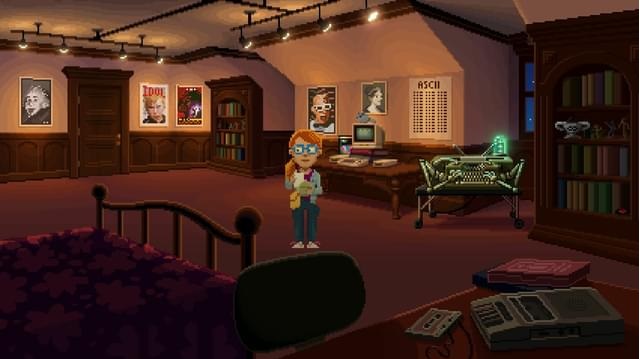
Chapter 3, however, blew up with playable characters, complexity, and locales so much that I started to feel a bit bewildered. At the same time, the puzzles start to feel a bit…forced.

  • With one character, a page unrealistically flies away and out a window for no better reason than “gotta have puzzles.”
  • I have to do some truly convoluted stuff to get printer ink, and I really don’t want to or care to.
  • For some reason I have to feed popcorn to some animal, but I can’t use the *empty* swear jar as a vessel to hold the popcorn?

I get it; I’m bad at adventure game puzzles. But they frustrate me when they seem like unnecessary roadblocks just for the sake of having roadblocks. Maybe these puzzles are very intricately woven into the story that’s being told, but when I’m tackling them, I don’t feel like they add anything of value. Of course, I’m still stuck at Chapter 3…so, I could be just an ignorant dumb-dumb head, not knowing the final outcomes.

But it has gotten me wondering:

  1. Will I finish Thimbleweed Park? My enthusiasm substantially dipped after Chapter 2.
  2. Which is more important in adventure games: exploration or puzzles?

For people who love Thimbleweed, don’t worry, you are correct. The game is basically universally praised and highly rated anywhere there are reviews. I’m the odd man out with the bad opinion! Or, more likely, I am just the type of player who values exploration more than puzzles and got frustrated when the exploration ended and the puzzles ramped up.

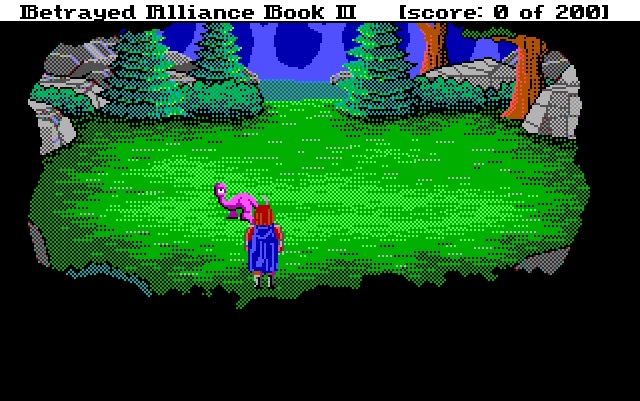
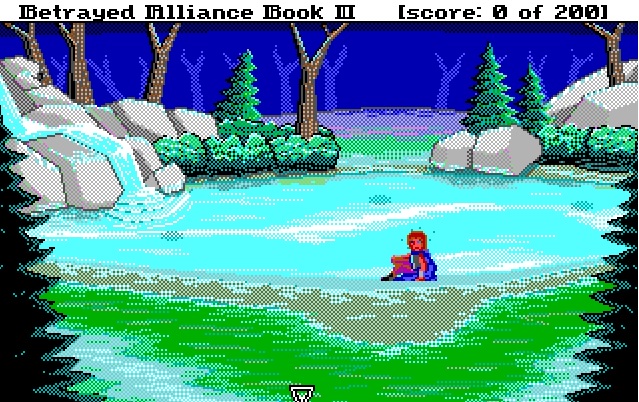
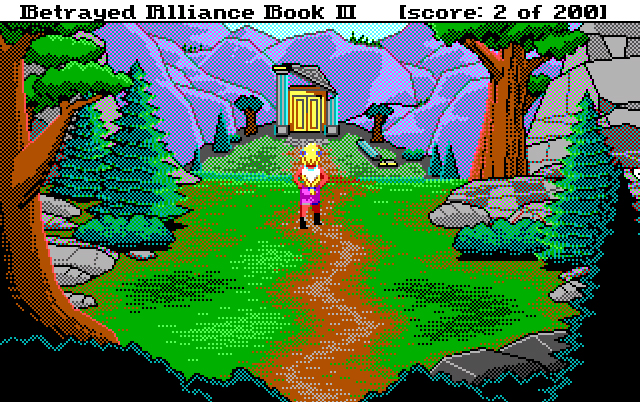
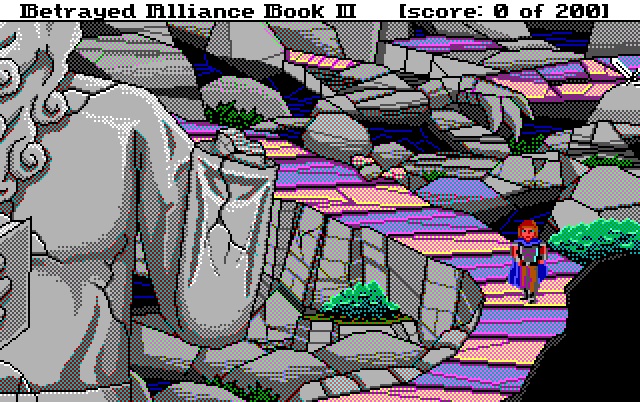
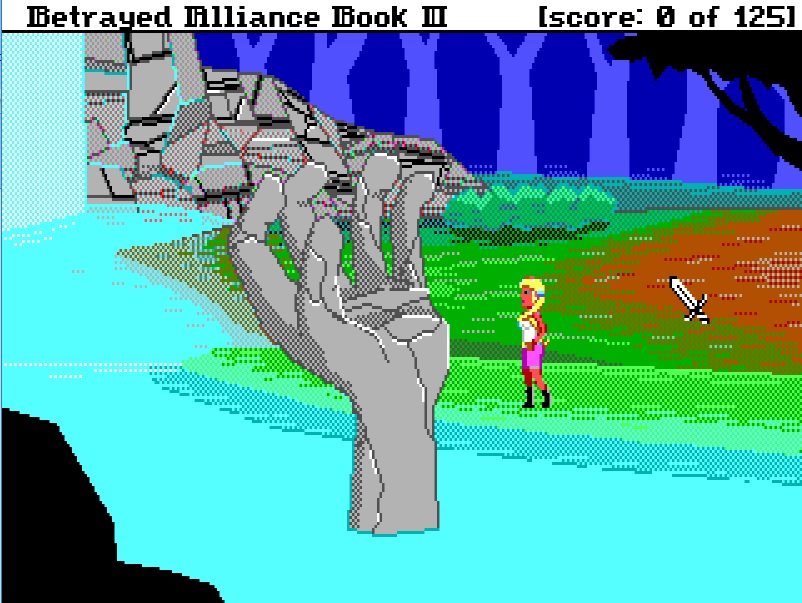
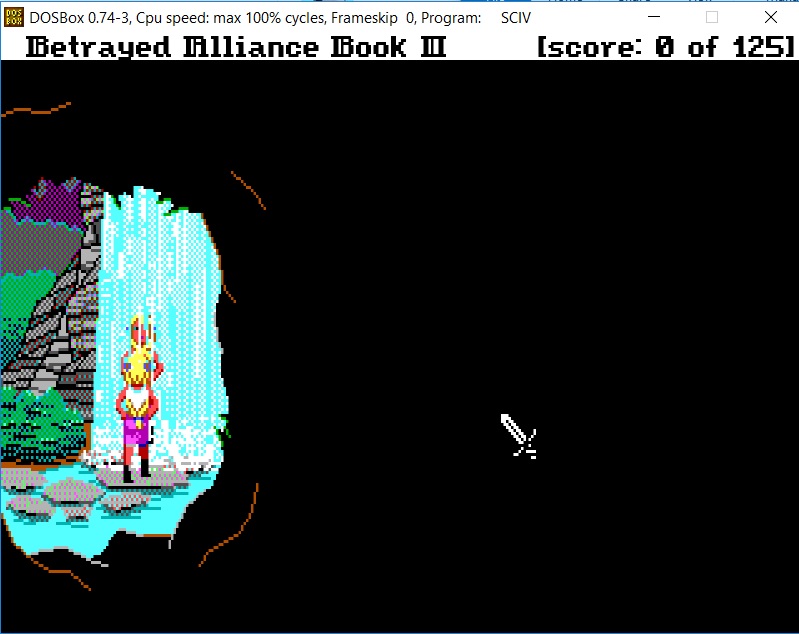
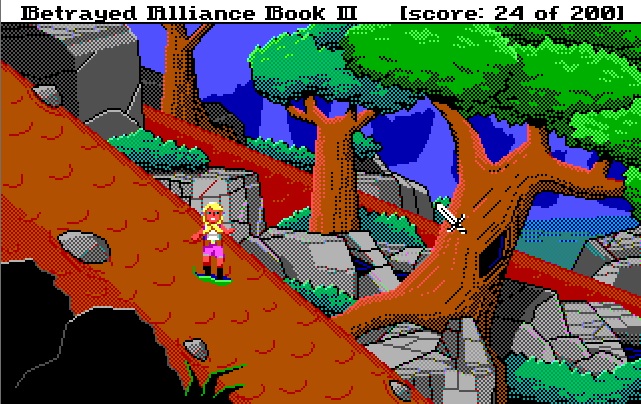
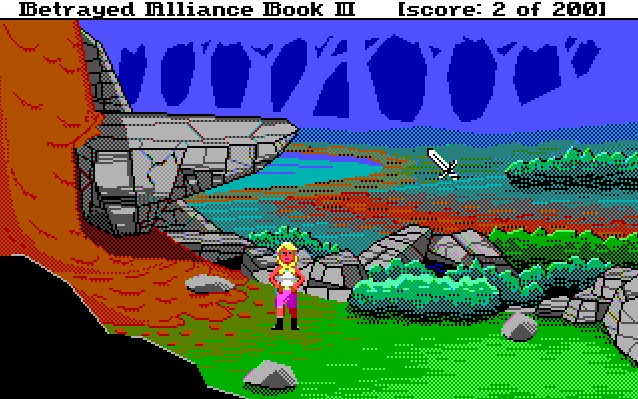
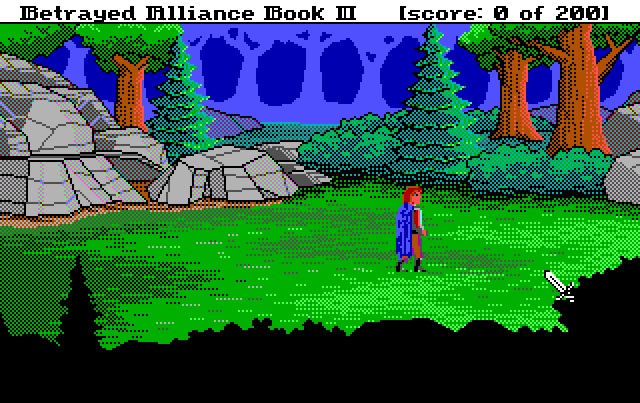
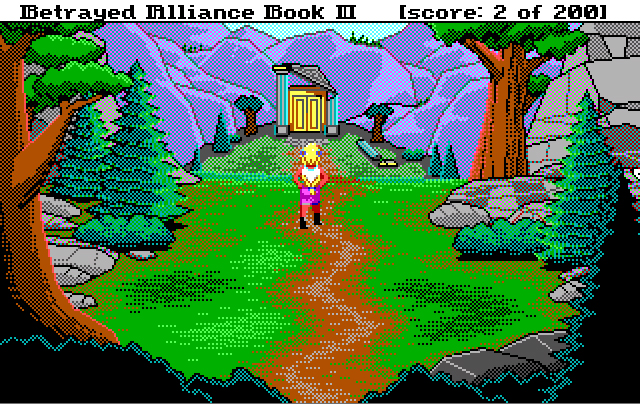
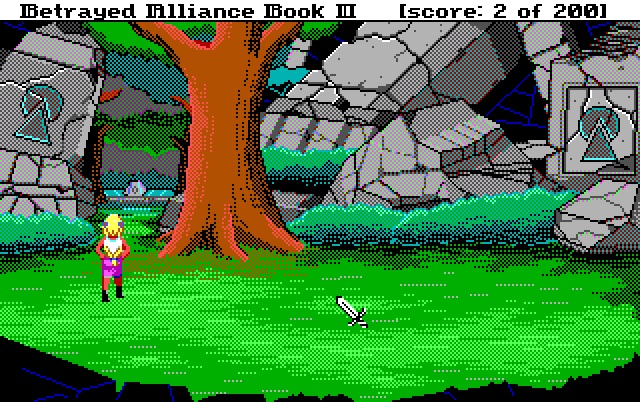
That’s probably why when designing Betrayed Alliance, I wanted to have a more open feeling, similar to Quest for Glory 1 or the King’s Quest games. Here’s a puzzle box world, now go explore and have fun! Are there puzzles? Of course! Are some of them convoluted and contrived? Probably, but I’ll leave that to you to decide this May, when Book 1 is released as DOS freeware for the world to enjoy.

What’s most important to you in adventure games? Let me know!

Betrayed Alliance 2023 Retrospective

I had 2 hopes for this year for Betrayed Alliance. One of them was hit, the other one we’re just missing.

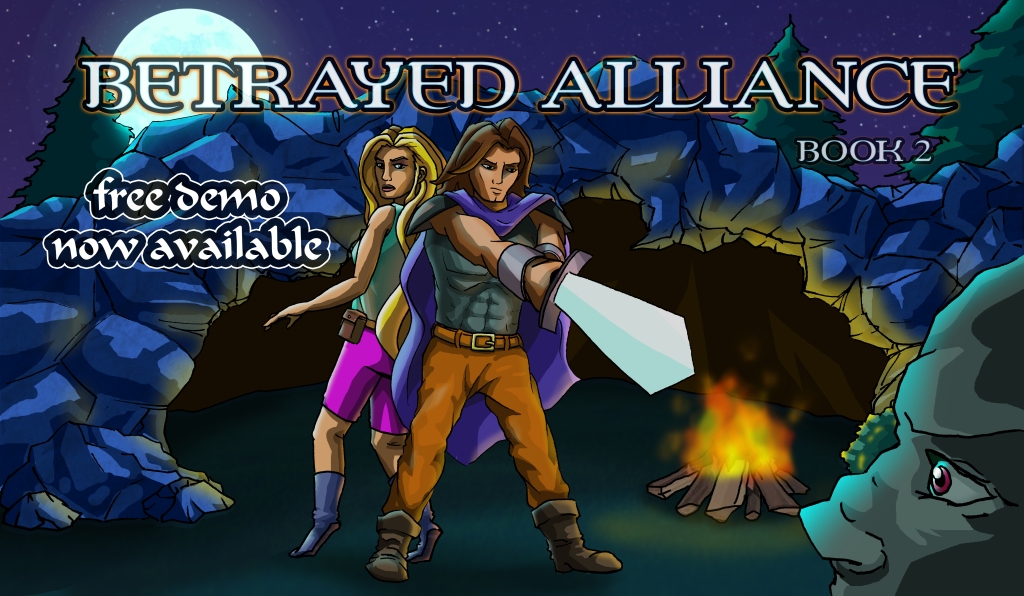
The first hope was the release of the Demo for Book 2 – to finally give people a taste of what I’ve been working on for many years now. In February, the Demo for Book 2 released! However, with its release something happened that precipitated my other big hope for 2023 – it wasn’t the demo for Book 2 that was getting downloaded in large numbers, it was Book 1 that was getting bigger traffic. This needed to be addressed!

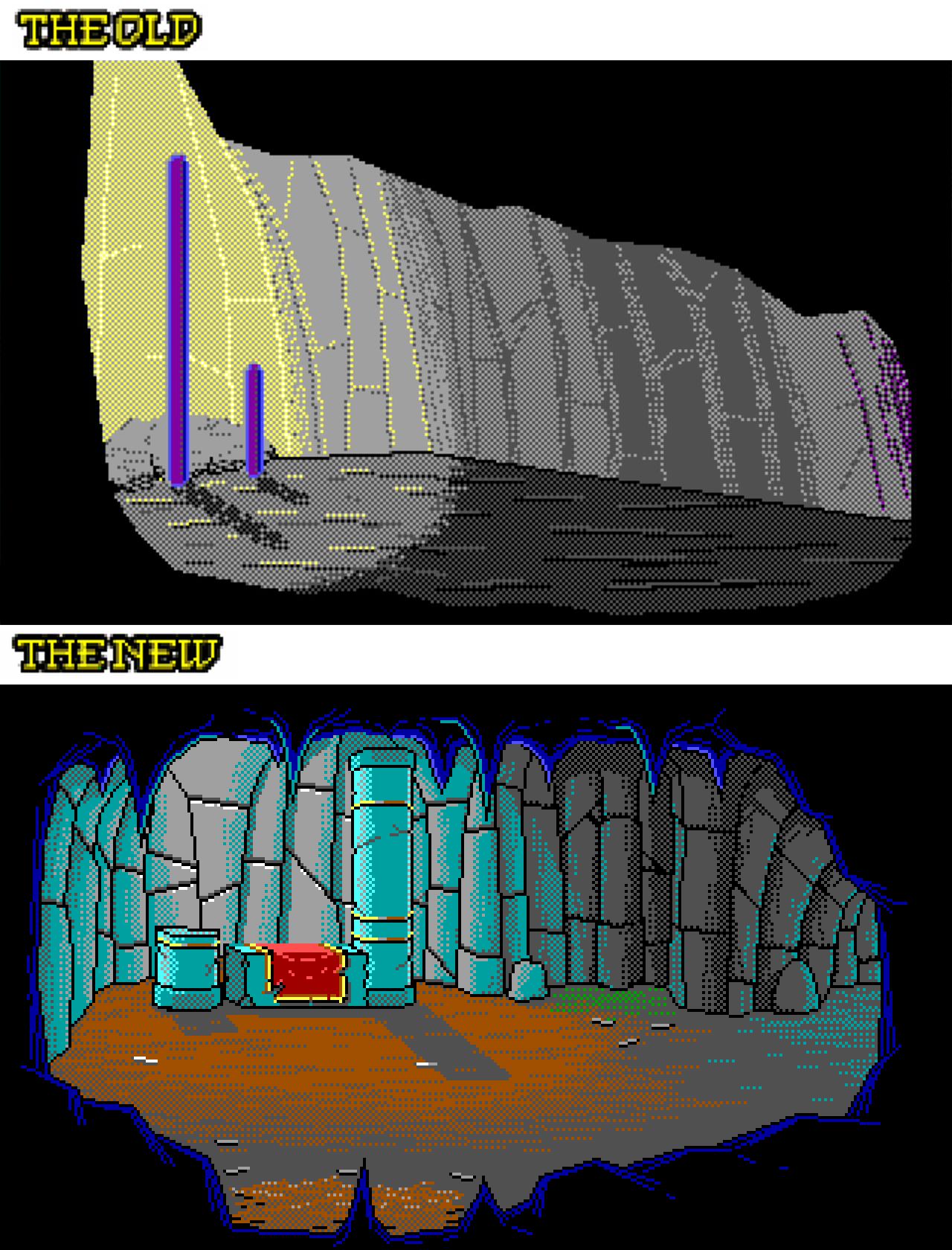
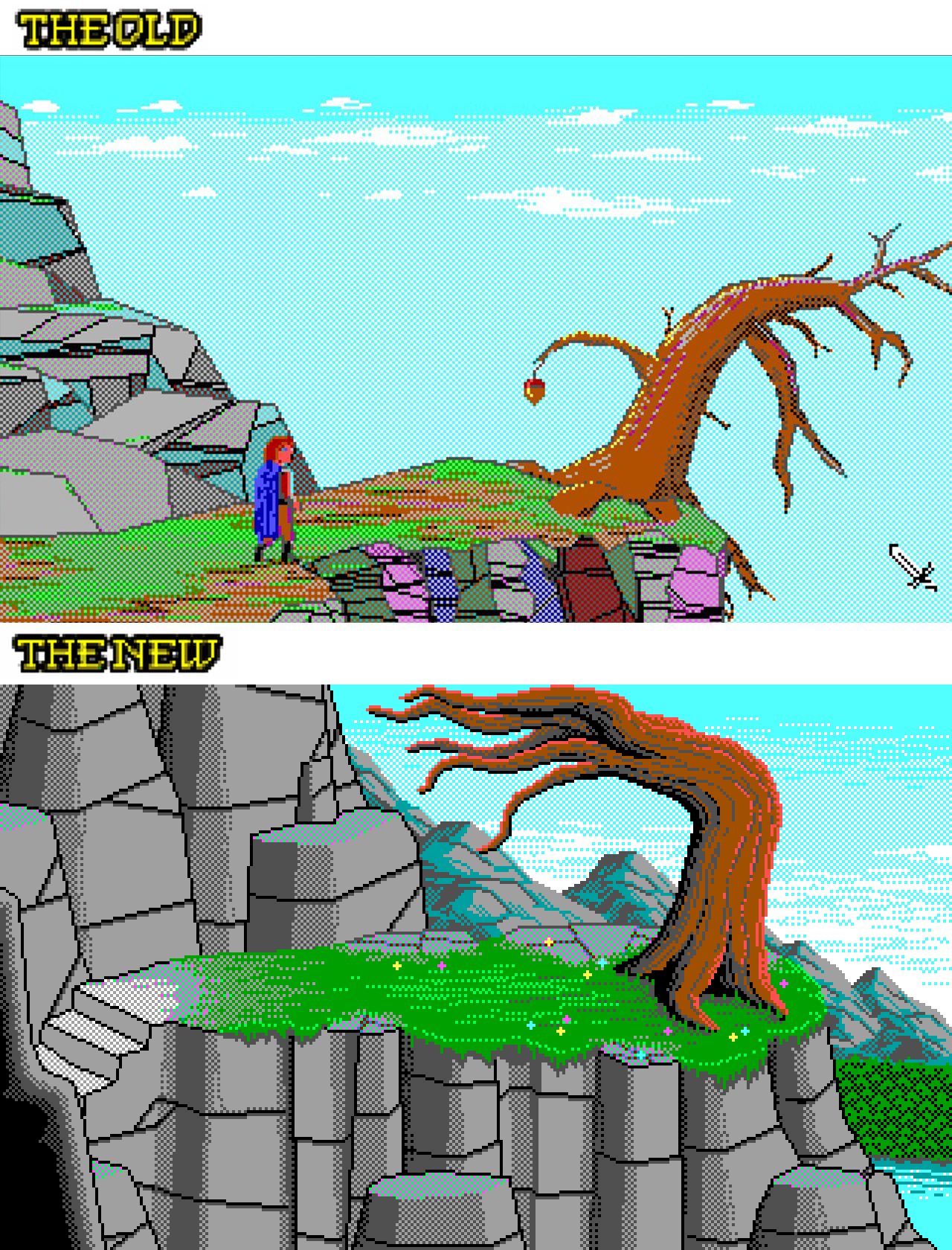
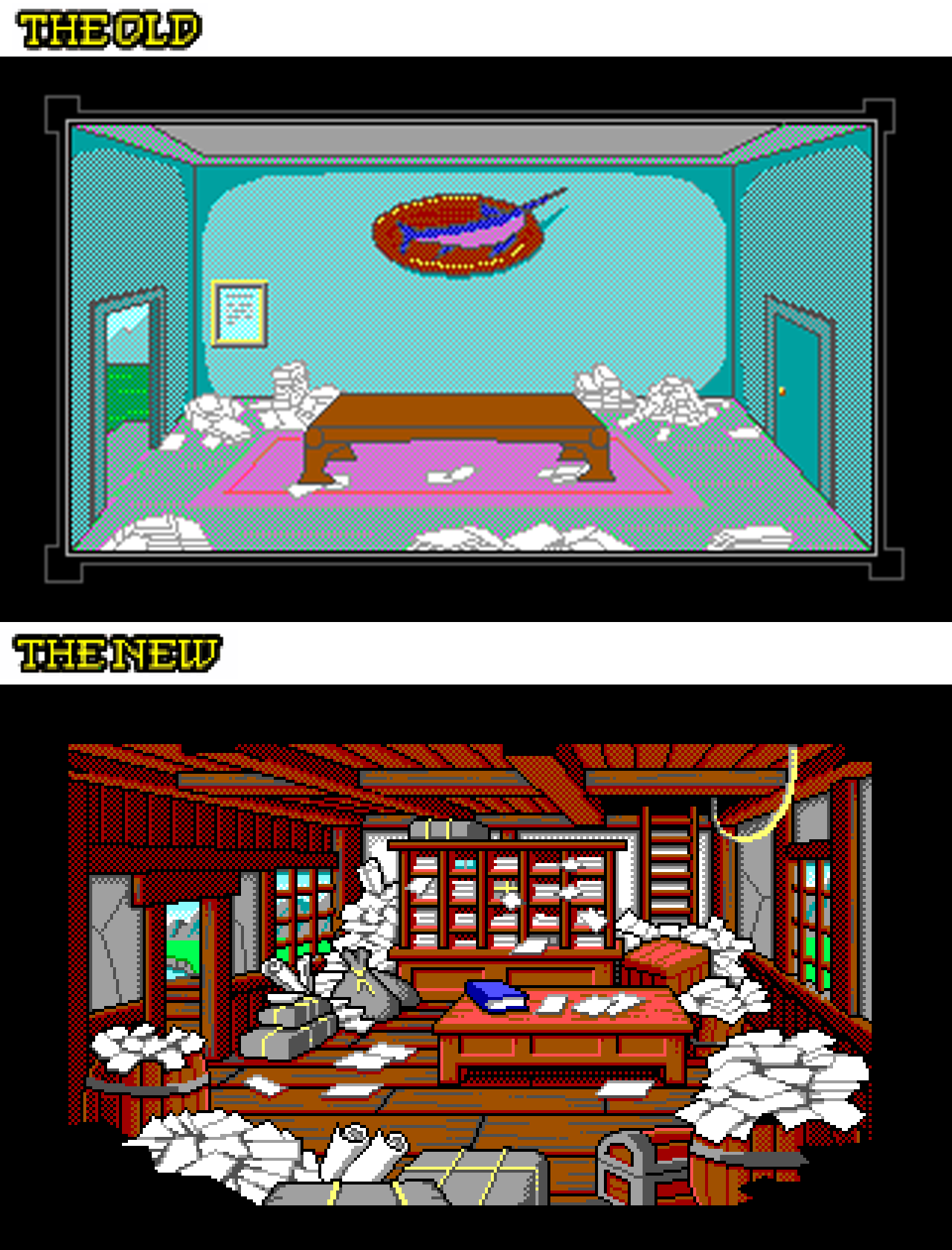
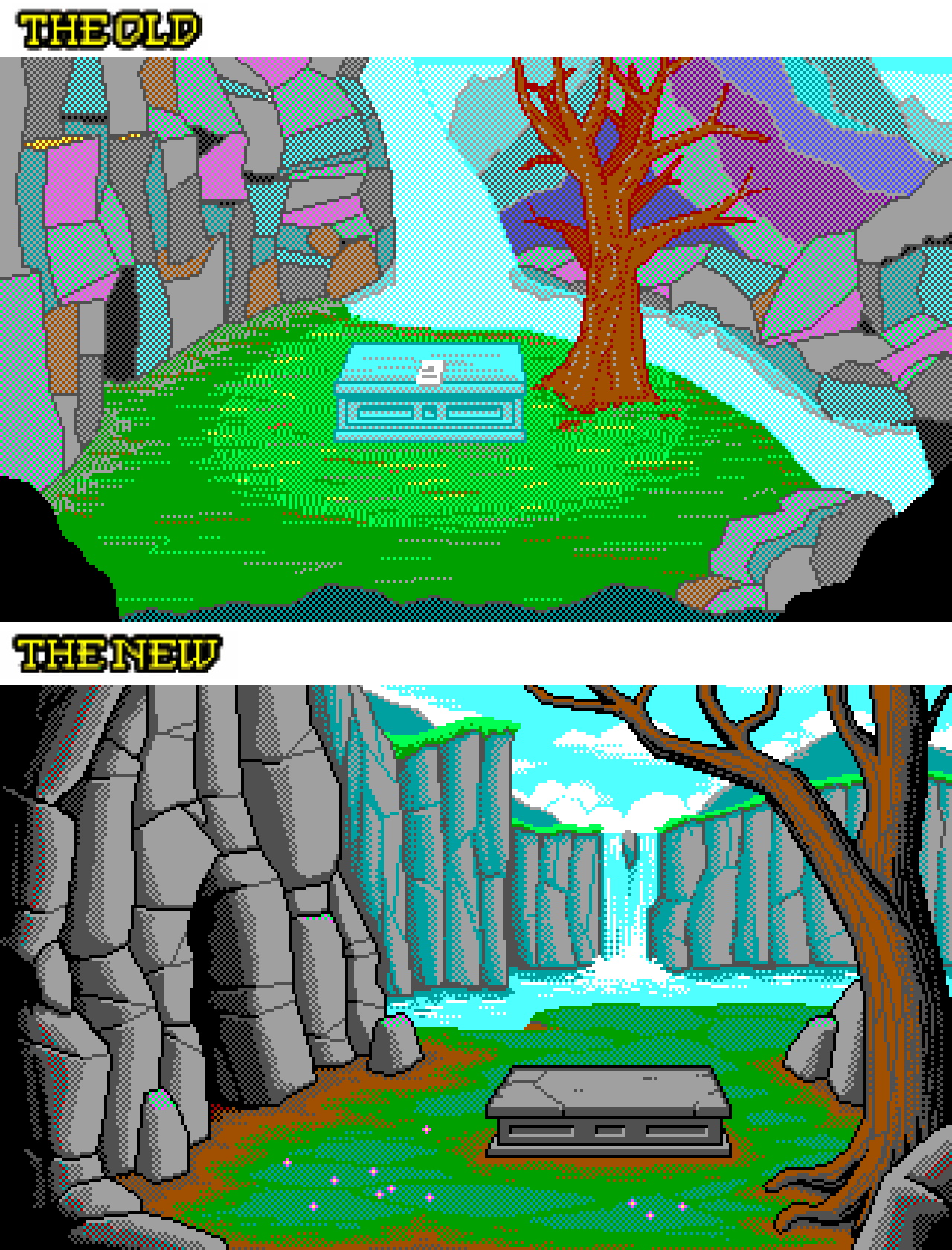
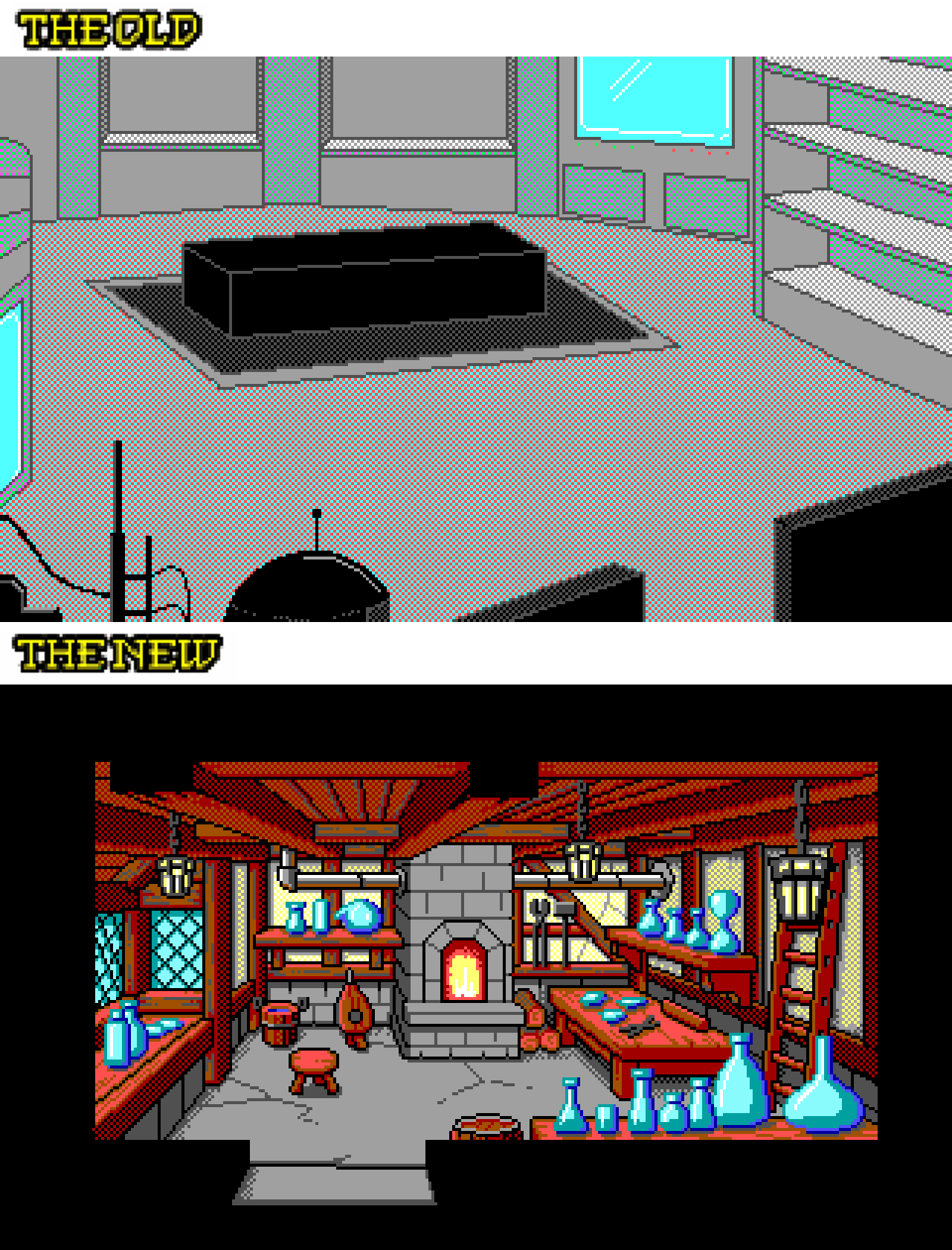
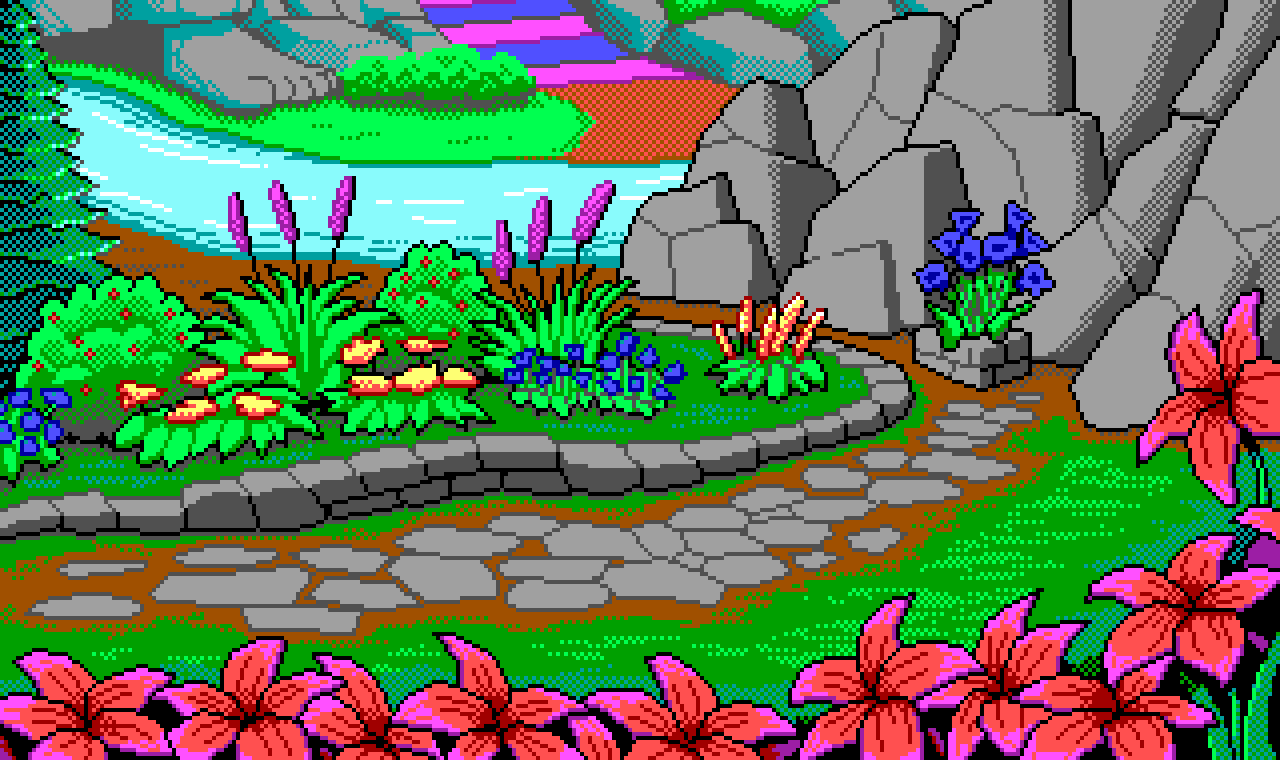
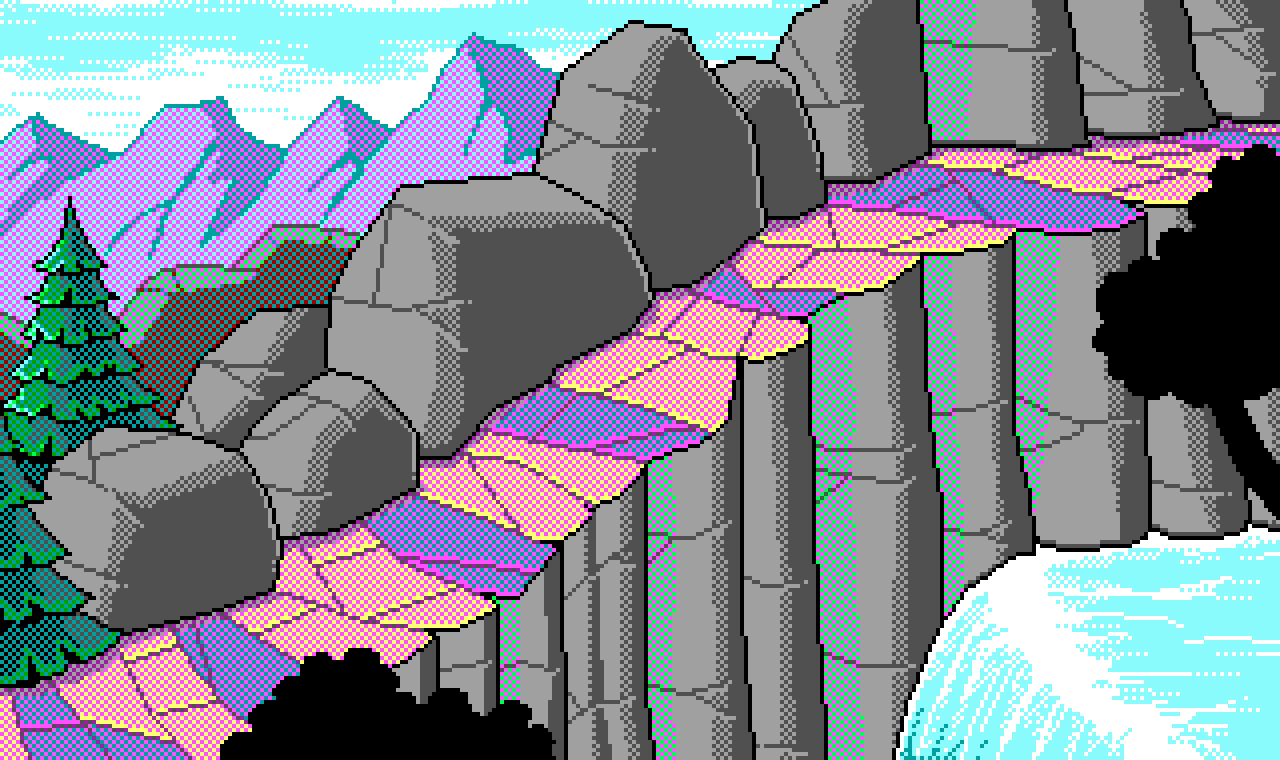
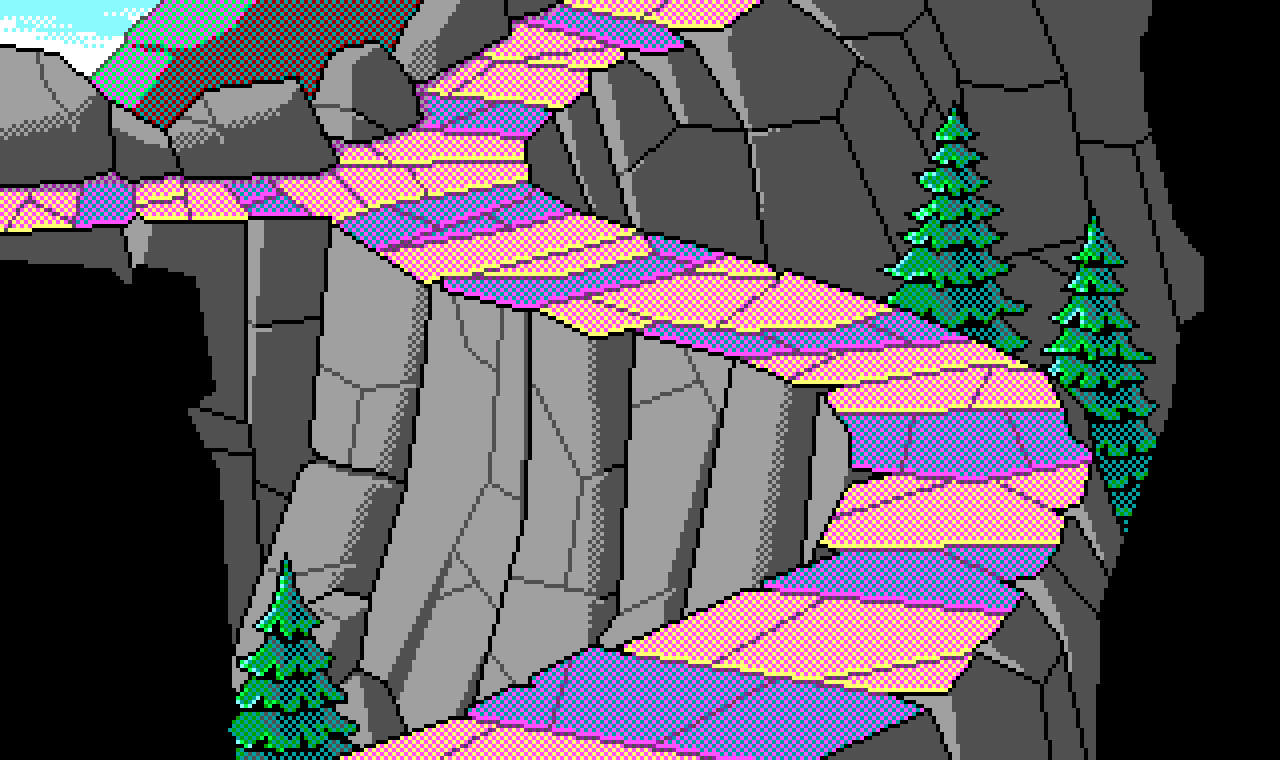
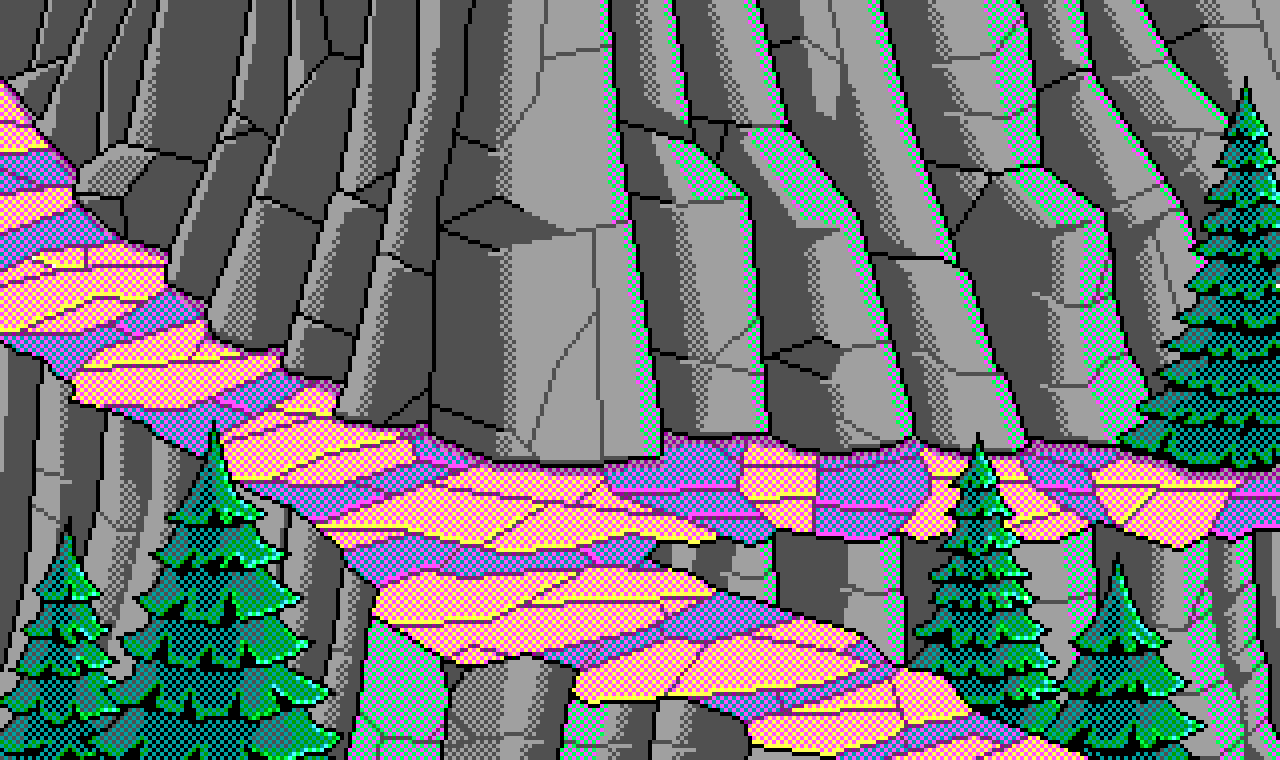
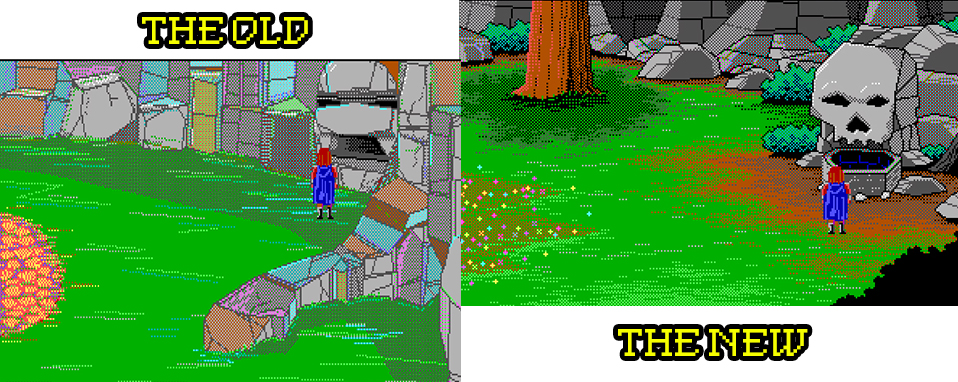
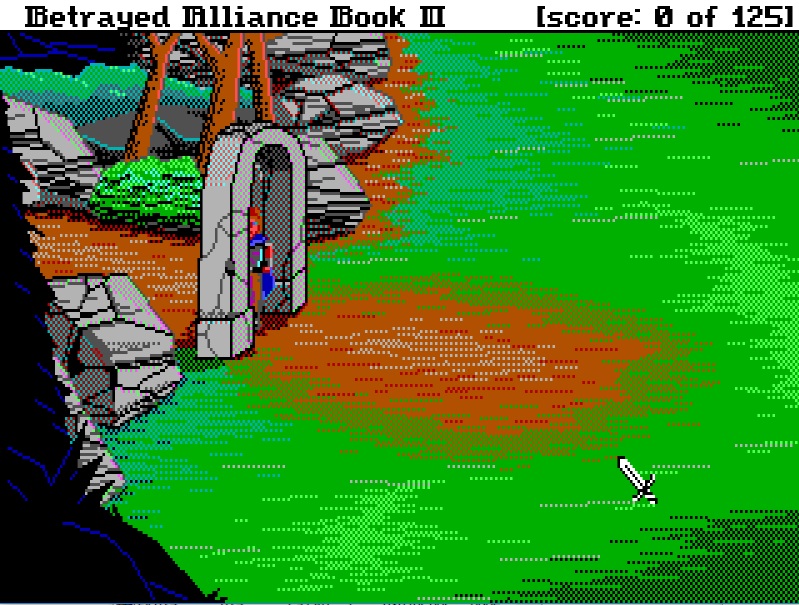
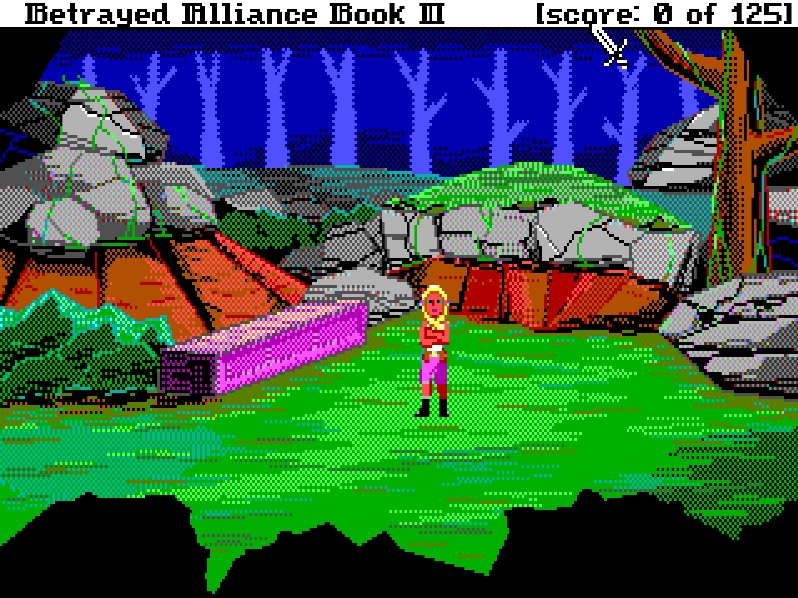
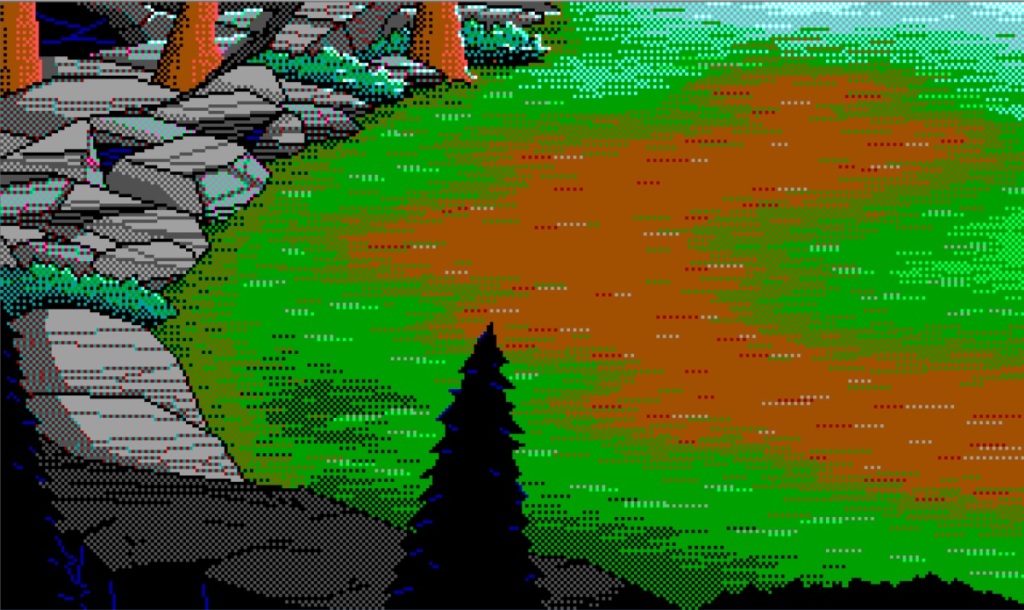
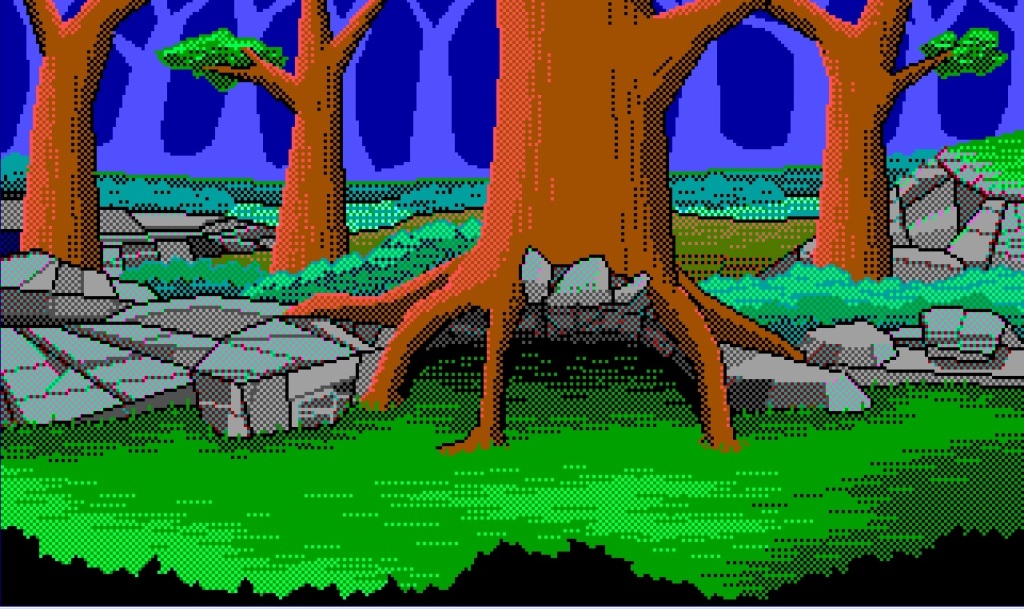
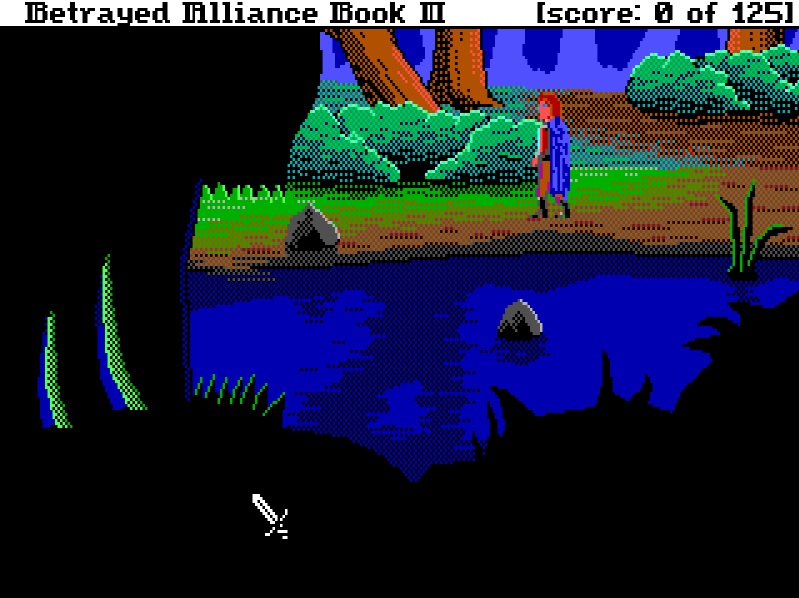
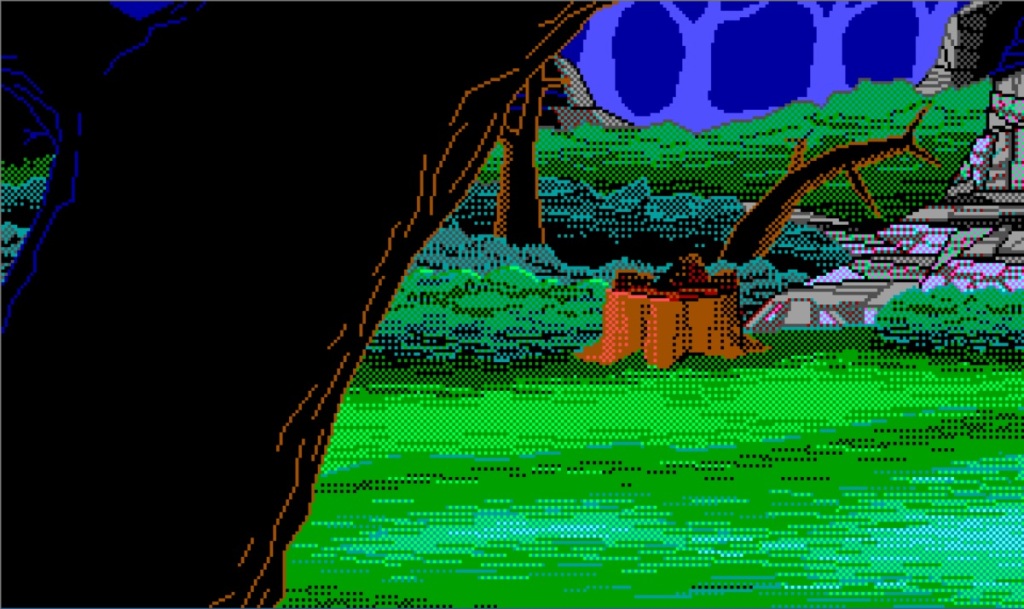
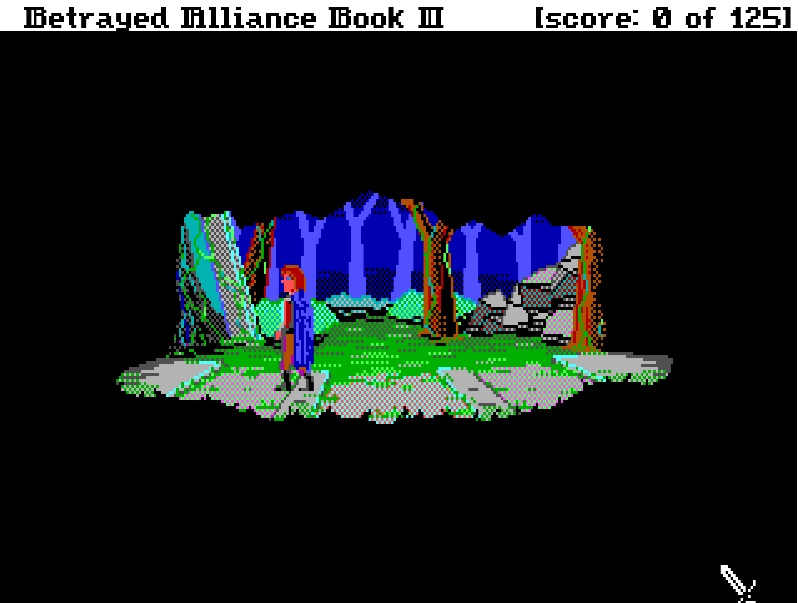
The second big hope for 2023 was to complete the overhaul of Book 1 with new artwork, bug fixes, and a musical overhaul that would enable the game to play sound using the original 80’s and 90’s era drivers. I wanted people to have the best experience possible with Book 1 before really promoting the Book 2 demo. Here are a few updated backgrounds by myself and Karl Dupere-RIcher.

The big push to complete Book 1 has hit a few bumps in the road, but the game itself is finished, albeit still needing a round of testing or two more and having the final musical elements sorted.

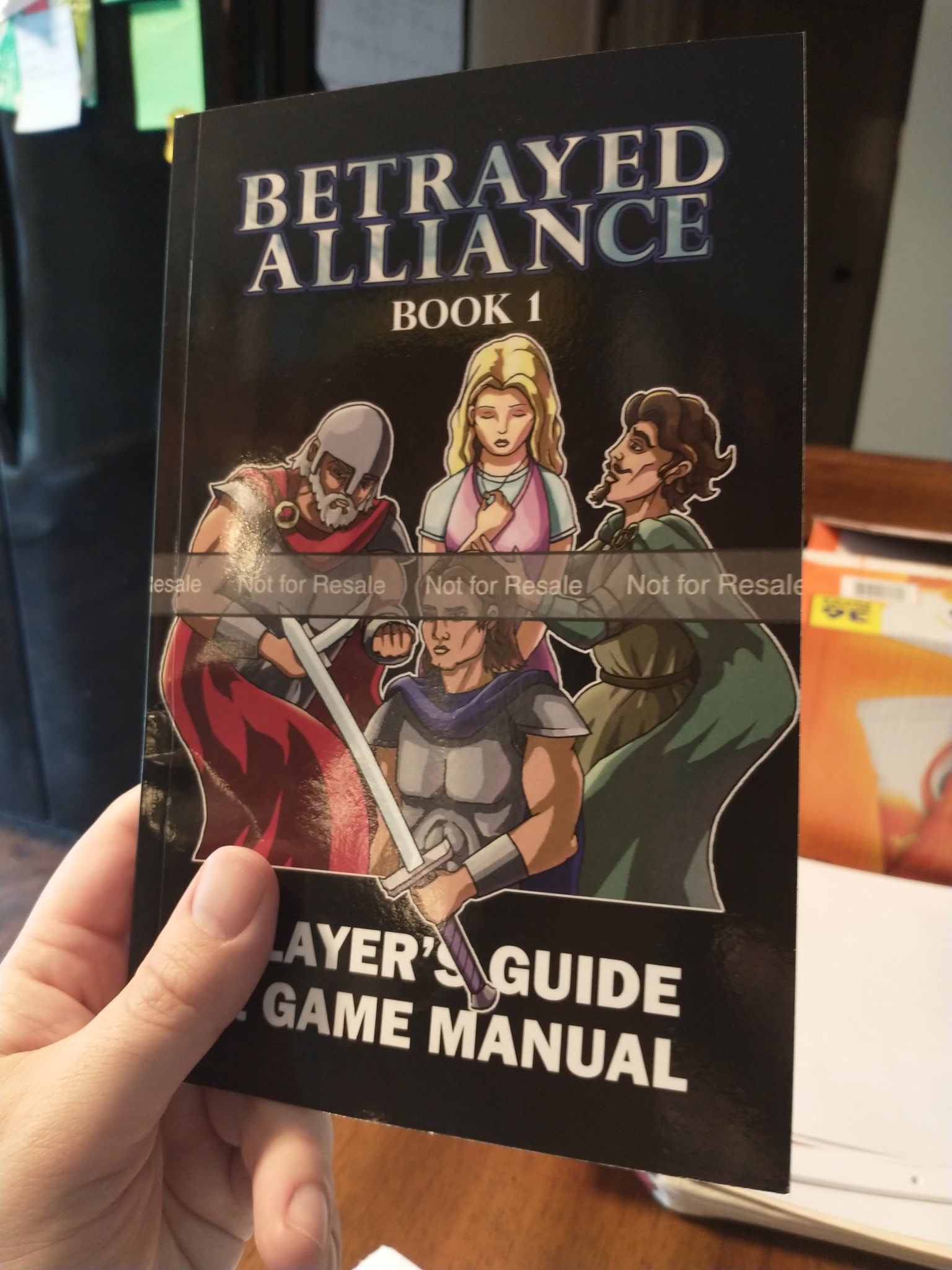
To go along with the release of the update to Book 1, I’ve also put together a physical game manual with hint-guide and a walkthrough. I’m eager to make this and some other merchandise available upon the launch of the game (which will continue to be a free download)! More on that in 2024.

With the virtual completion of Book 1’s update, I turned my attention back to Book 2 and together with Karl Dupere-Richer and we have taken a huge chomp out of the remaining backgrounds for the game. We’re probably just about 20 or so away from a complete map.

With 2023 coming to a close and 2024 on the horizon, look forward to the updated Book 1 release and more news on Betrayed Alliance Book 2, which is deep into development now and looking better and better every day!

A huge thank you to the legendary supporters of EGA games on Patreon. Your excitement and support keeps me going and working on this project day by day. I will do my best to make the wait worth it!

Until then, Merry Christmas and happy new year!

Betrayed Alliance October Update

Hello everyone!

I just wanted to drop a quick update about the progress with the development of Betrayed Alliance, both Books 1 and 2.

Kickstarter Stretch Goal – Book 1 Update

This update is nearing completion and is in many ways complete. Development-wise the game is complete and undergoing final testing. The last piece of the puzzle is redoing the music to play with the old drivers. We are anticipating the initial release to work with AdLib and MT32 drivers first, then later to patch it to make other sound drivers available (such as Tandy, General midi, et al.)

There’s been some personal life stuff going on with Brandon (new job and other life events) that has stymied progress on the sound design side, so a bit more time will be needed.

With that said, let’s take a look at Book 2!

Book 2 Design Update

With my work re-coding and re-designing artwork (and testing/bugfixing) the Book 1 update mostly finished, I’ve turned my attention back to Book 2.

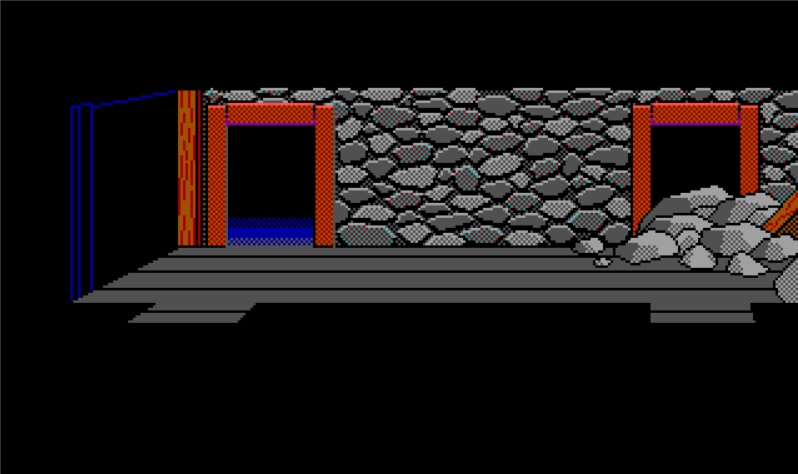
I’ve set to work getting a basic build of all the rooms in the game represented, mostly with scratch artwork, just to give me a final sense of the game’s geography and how the areas and puzzles should be be tied together.

With Karl Dupere-Richer’s help we’ve been iterating on an overall map of the area, which I have been working to fill in the details of some of the less-developed areas.

Now I am working to flesh out the areas with artwork that is (hopefully) a bit more interesting the the wire-frame scratch artwork:

Final Thoughts:

Things are quietly getting done. I am thankful to have a generally peaceful time in my life right now which gives me the time and attention I need to work on this project. I appreciate your patience as I know the proposed completion date for the project has come and gone. But with the demo out earlier this year and the completion of the update to Book 1 on the horizon, I have to say I am proud of the work that’s been done and I hope the love and excitement for these old games translates into the game itself.

If you have any thoughts or questions, I’d love to hear them. Thanks for reading.

Last 24 Hours Kickstarter Update

Great news!

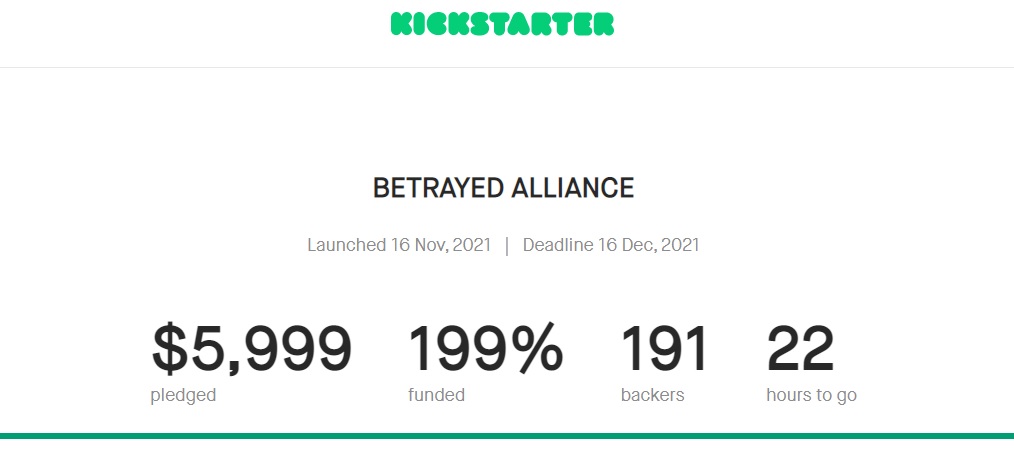
The Kickstarter has been successfully funded (and actually was so one the first day, which was a huge relief to my nerves!)

We’ve also funded our one (and only) stretch goal – to update some of the artwork of Book 1 and overhaul the music to give it the same treatment as Book 2 will have. This goal will be completed only after work on Book 2 has ended, as I didn’t want the stretch goal to impede the original Kickstarter project.

Here’s an example I put together
And here’s one by Karl Dupéré-Richer, who offered to help

You can also listen to a rendition of the main overworld theme here

So now we’re in the last 24 hours (I’m sure even less when this post goes live) and here’s where things stand:

The level of support and enthusiasm for the project, both in pledges, but also in comments has been really affirming and encouraging.

We’ll be live for the remaining 24 hours! Hope to see you there!

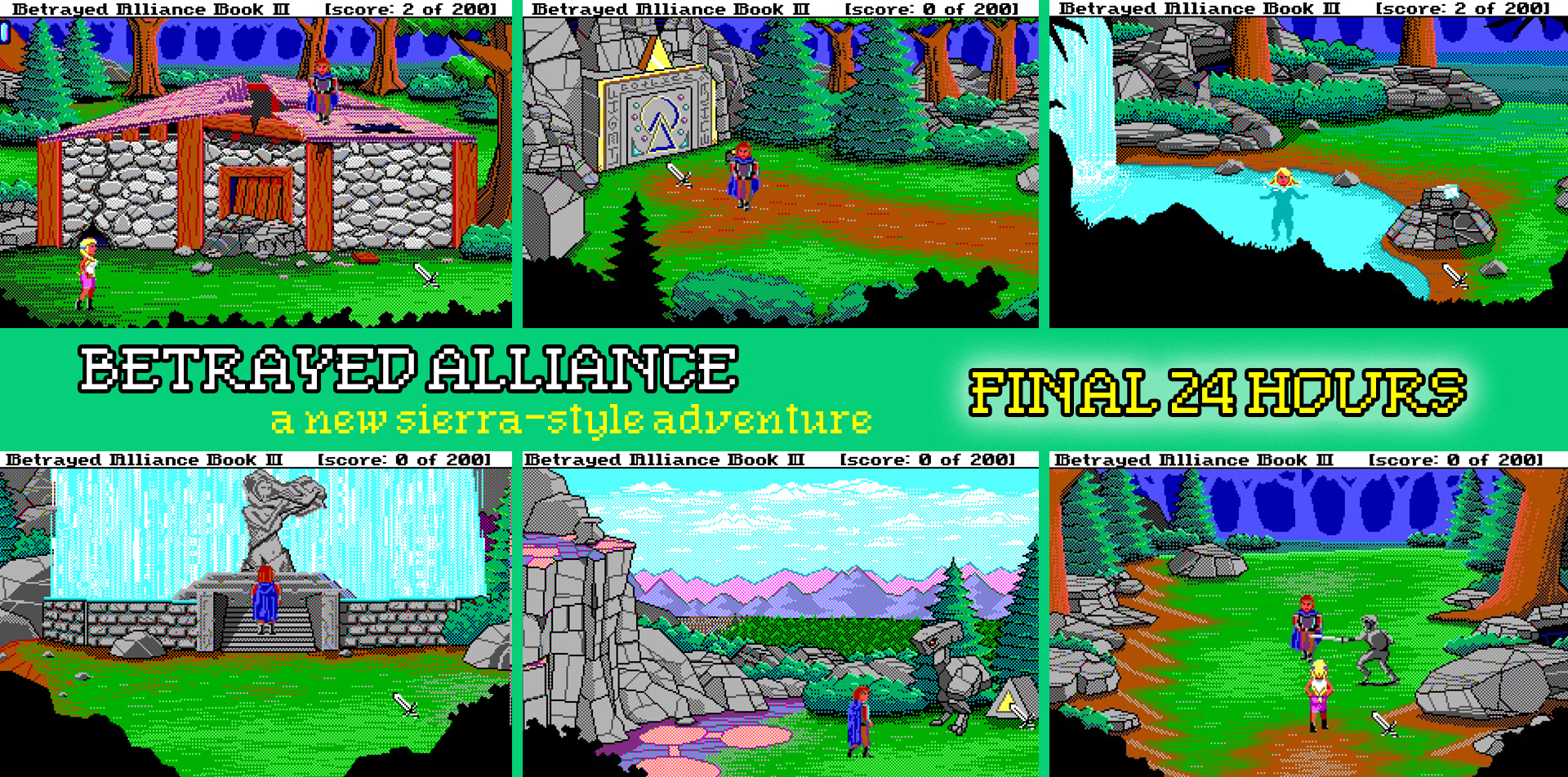
Betrayed Alliance 2 Backgrounds – Two Years of Pixels

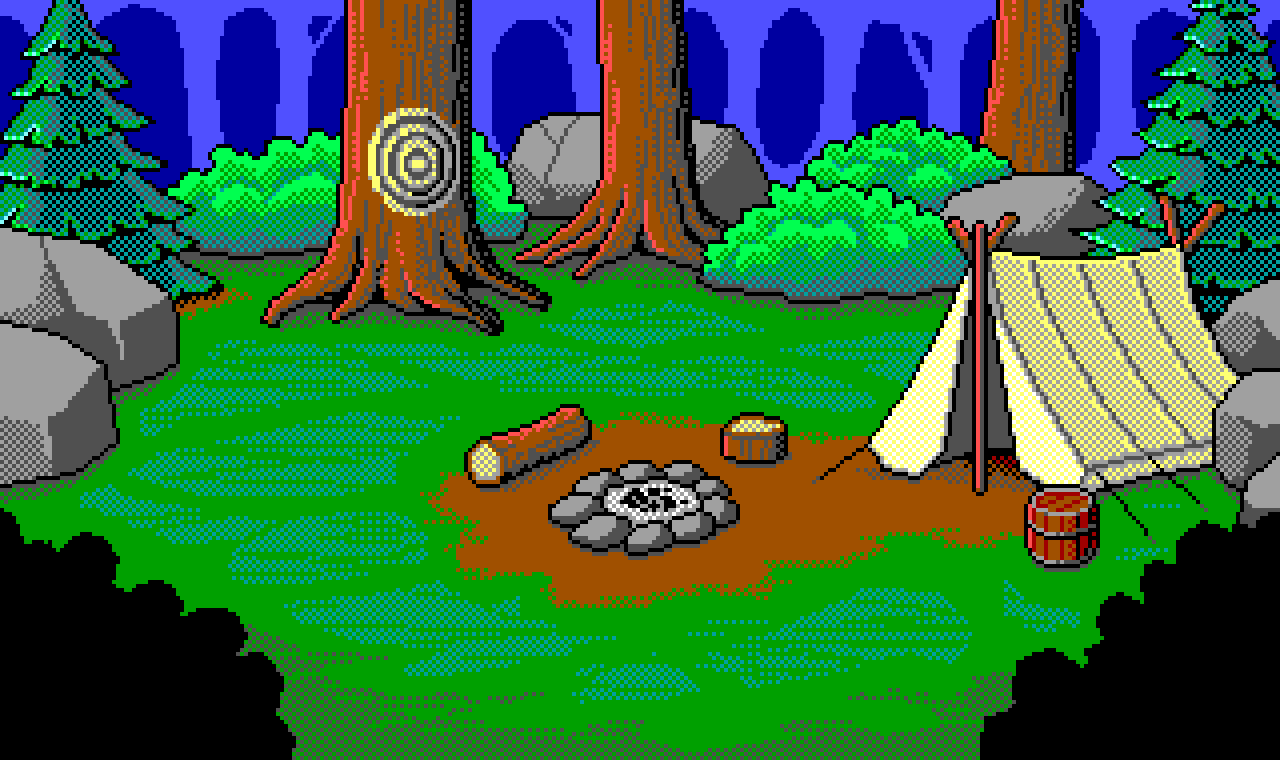
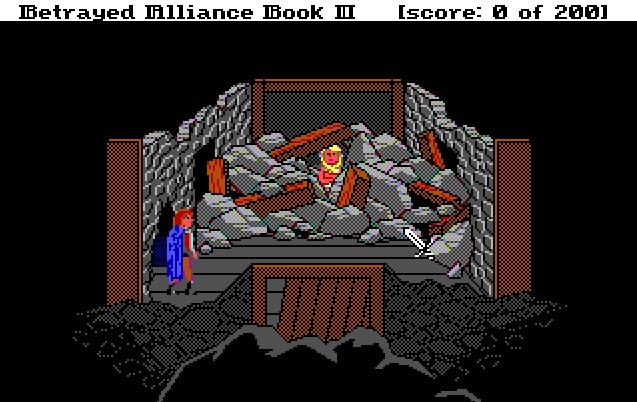
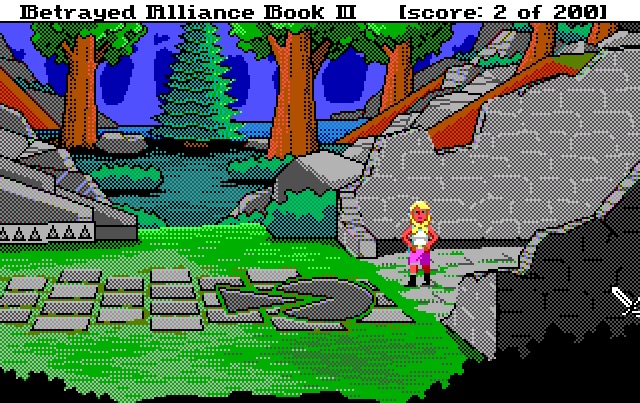
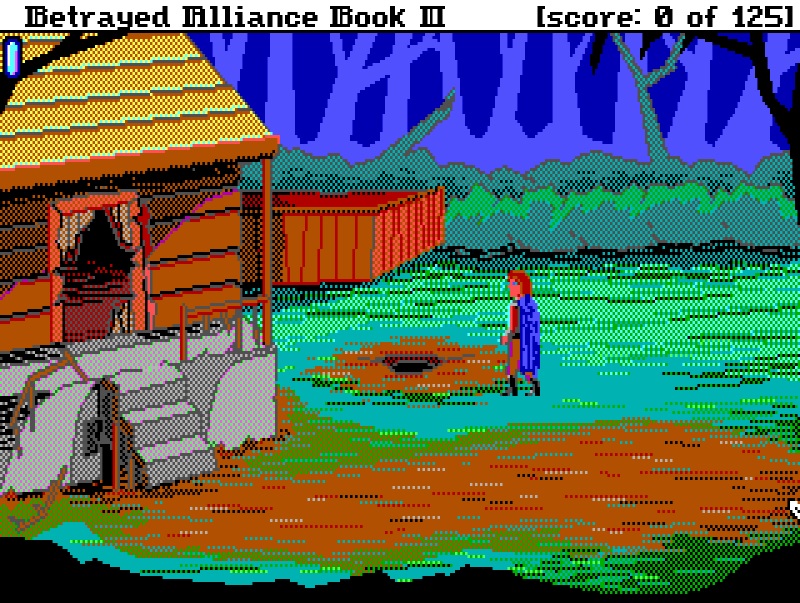
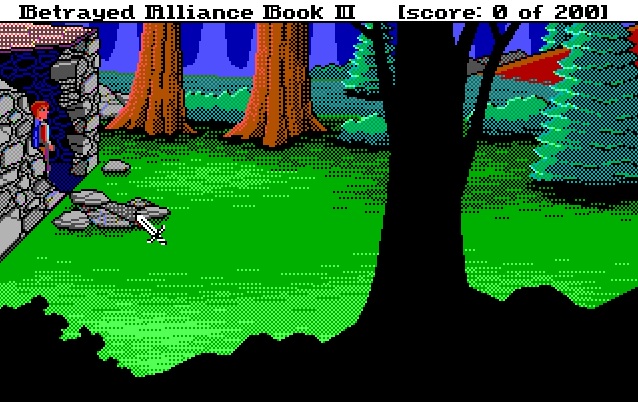
Last month I “celebrated” two years of work on Betrayed Alliance Book 2. At this point, the number of backgrounds has soared way above the 56 backgrounds I had in Book 1.

We’re sitting at around 80 or so, with each one taking somewhere between 2-4 hours to make.

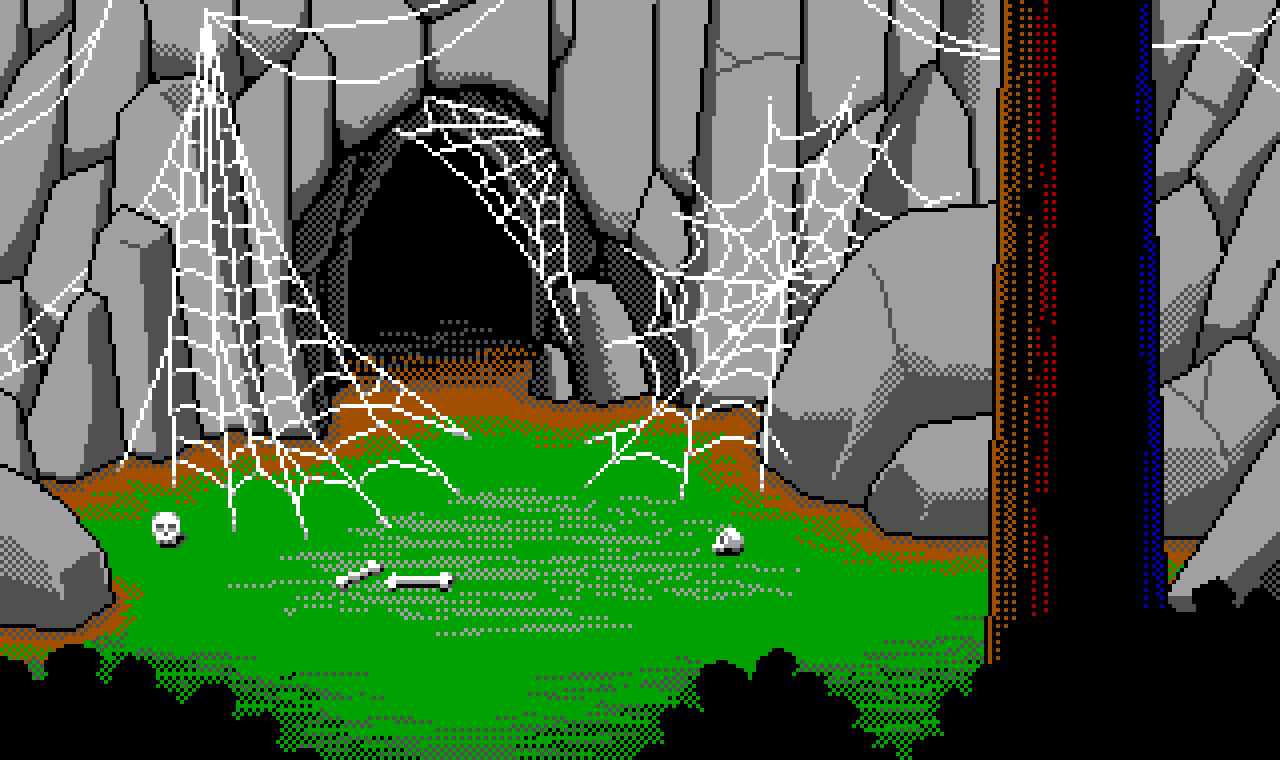
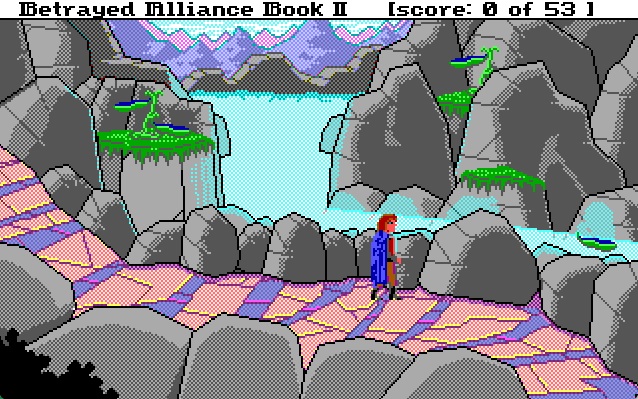
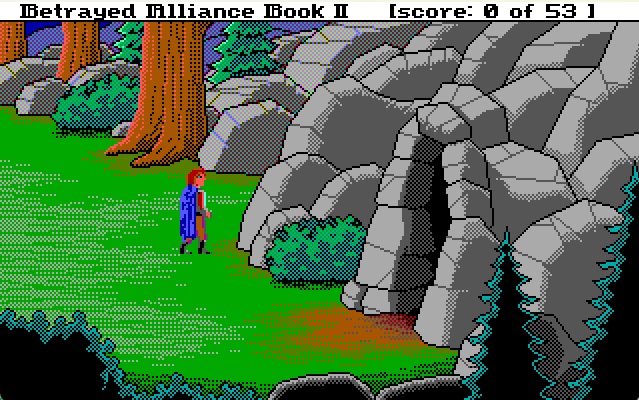
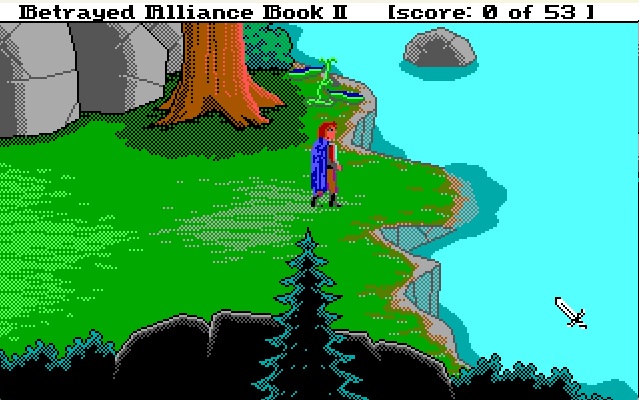
Here’s a nice mix of many of them for you to enjoy…and for me to post somewhere to feel good about myself 😉

Sierra Deaths were Great (and How to Make Them Greater)

It’s a bold statement given the great frustration that dying can cause in the old Sierra games, but let me lay out why they were great and how to make them even better.

The Good:

My thesis on Adventure Games is that the Experience of Exploration is the highest goal the developer should aim for instilling in the player. A large part of that is an interesting world, but not just interesting – Interactive. If something “sticks out” in the art, the player better be able to interact with it, and hopefully in clever and interesting ways.

What’s that got to do with dying?

Deaths add interactivity, even if “negative.” If the world is too static, it’s boring. If there’s a man-eating plant, it’d be a shame if it didn’t eat you when you get too close. Even though a hazard like this isn’t “positive” in the sense that it helps you progress, it adds another element of immersion, and one that adds a little apprehension and tension.

Bonus points awarded if you can use a death-hazard for positive uses too. Space Quest 3 does just this with these little alien pods that suck you up and eat you if you wander to close. But, if you’re clever, you can lure your enemy into the same trap, adding even another layer to the interactivity resulting in the elusive feeling you’re looking to instill in the player: delight. That feeling when your Experience of Exploration meets with your cleverness.

Hints: Death sequences also yield a great opportunity to distribute a hint. If a death is the result of some “less-than-perfect” line of play from the player, it could mean that the player could use a bit of assistance. Hence the death text is often humorous (to soothe the player’s negative feelings toward dying) and insightful. Sometimes the hint is veiled and sometimes it is more direct, depending on the situation.

Speaking of bad feelings.

The Bad side of Sierra Deaths

Loss of Progress – This is usually the worst part of dying in Sierra games and has led to the mantra, “save early, save often,” which seems a bit of cop-out on the side of the designers. The ability to save anytime is really a fantastic feature that I’ve always enjoyed, but it puts a lot of responsibility on the player, and when many players were young when they played these games, the idea of saving the game each room wasn’t second nature. I wonder how many people quit these games after losing progress…

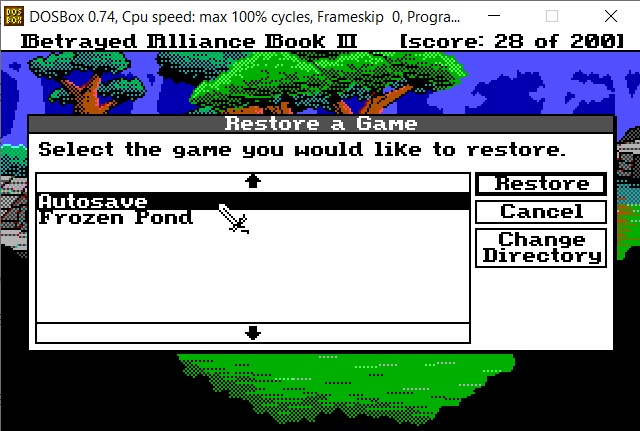
The Fix: For Betrayed Alliance 2 I’ve implemented a simple solution to this problem. Each screen autosaves the game. If you die and haven’t saved lately, you can just start the room over fresh all while allowing the player to make use of the “save anytime” feature.

Unfair or unforeseeable Death: Frustration can also come from lazy or incompetent (or just plain sadistic) design. King’s Quest 4 had a dark cave. No problem! You have a torch – but the problem is the torch doesn’t illuminate much, least of all a surprise chasm that claims your life through no fault of your own. Deaths of this nature must be avoided if you wish to keep the trust of your player.

The Fix: Be careful how you design deaths – make them fair and avoidable.

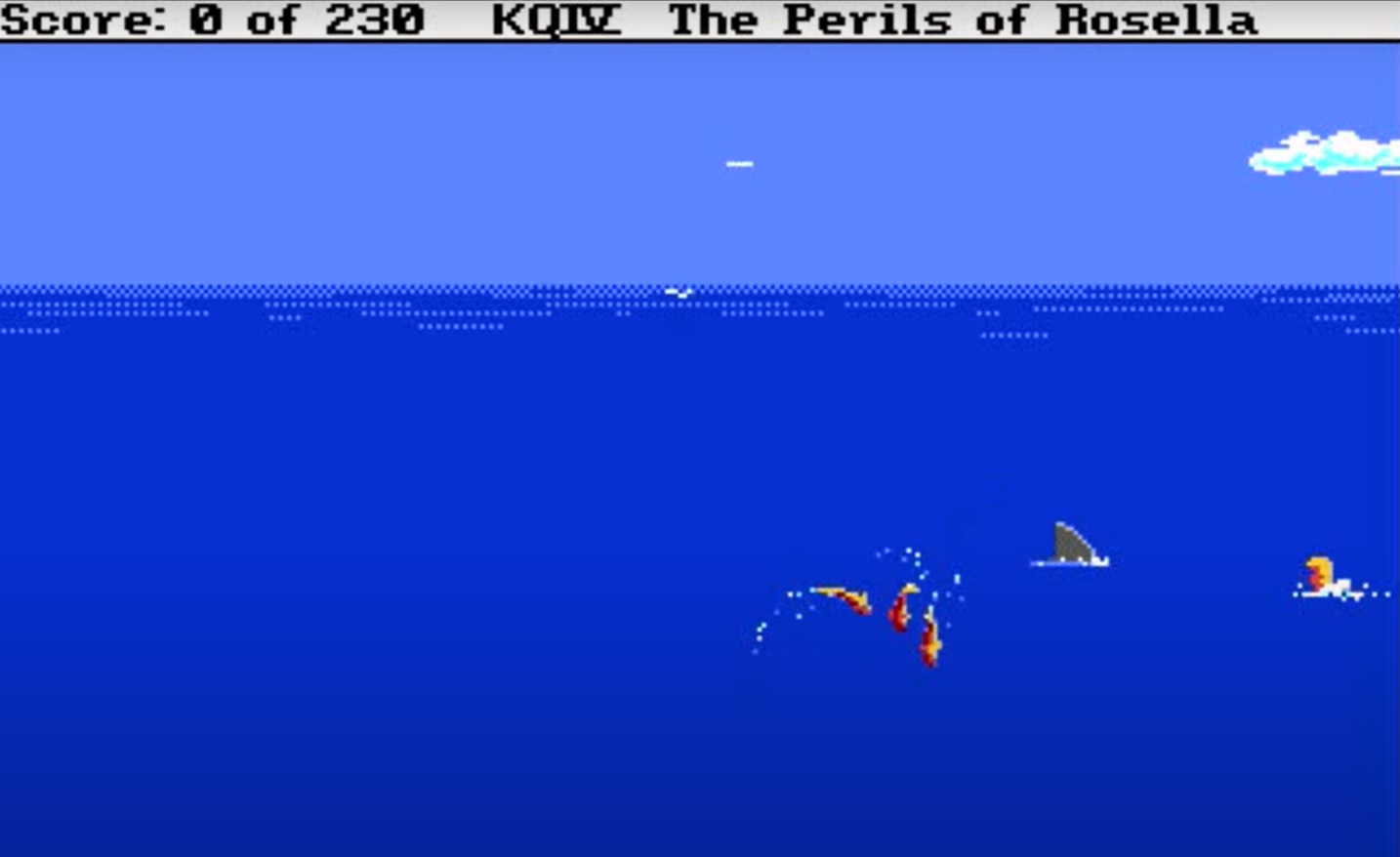
Random Chance of Death: Unlike real life, death should be predictable, not based on random number generators. Walking in front of a knife being thrown in Quest for Glory 1? That death’s on me! Running into a randomly generated shark in the water in King’s Quest 4, that’s just frustrating.

The Fix: Avoid randomness is death events. If randomness is necessary, make sure the player has some way to manipulate the variables. Perhaps King’s Quest 4 could’ve featured an item that warded off sharks?

It Just Feels Bad to Die: Dying sucks not only because you may have lost progress, but because it means you failed. Where’s the fun in that? This feeling is often subverted with a fun animation, funny dialog, and hopefully a well-placed hint for the player to understand where the mistake came into play. All of these things were present in the classic Sierra games, but a friend of mine developed an idea which I think transforms death’s “feeling bad” experience to something positive.

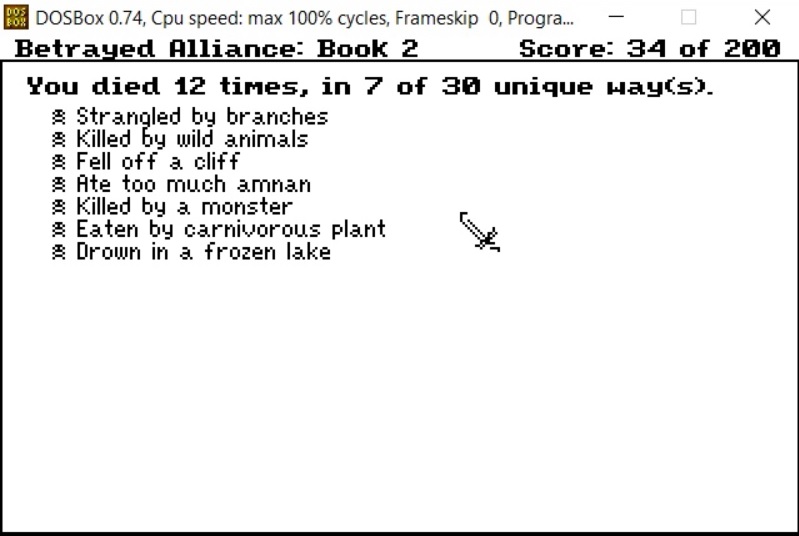
The Fix: His idea was to tally the amount of deaths and their unique causes in a list.

WHAT!? A list of failures for the player to be disappointed by? That’s your fix?

Yes! But what it really does is turn deaths into a collectible! If you tell the player how many unique deaths there are, don’t you think they’ll shoot to find them all? I’m even thinking of adding some “hidden” deaths for the more intrepid players!

Conclusion

Dying is mechanic that early Sierra games were known for. Some franchises used them with greater success than others. The designer’s goal is to maximize the feeling of playing in a living (albeit dangerous) world, while at the same time minimizing the frustration that can come from the mechanic. If the dangers can be used for immersion and creative puzzle-solving, that’s even better.

Sierra’s death design could have benefitted from a “nicer” approach to game-saving. An non-intrusive autosave is my solution. I’m also eager to see if the “death as collectible” idea is as popular with others as it is with me.

Let me know.